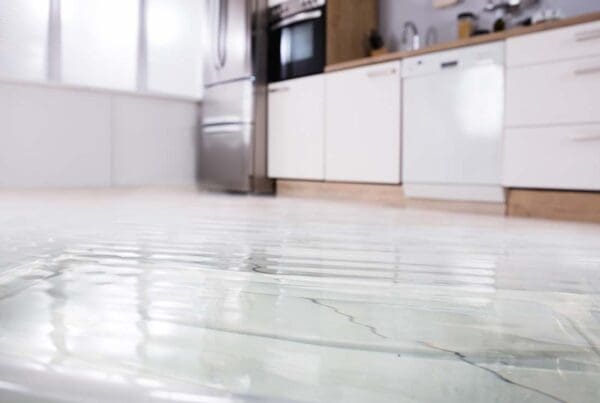

Flooding is one of the most common and devastating natural disasters, capable of causing extensive damage to homes and properties. Understanding the potential impact of flood damage is crucial for homeowners, especially those living in flood-prone areas. In this article, we will explore how severe flood damage can be and what homeowners can do to mitigate these risks.
The Extent of Flood Damage
Flood damage can vary significantly depending on several factors, including the severity of the flood, the duration of the flooding, and the construction of the home. Here are some of the ways flooding can impact a home:
Structural Damage
Floodwaters can compromise the structural integrity of a home. Prolonged exposure to water can weaken foundations, warp wooden structures, and cause walls to crack or collapse. This type of damage can be costly to repair and may require significant renovations to ensure the home is safe to inhabit.
Electrical and Mechanical Systems
Flooding can severely damage electrical systems, posing a risk of fire or electrocution. Waterlogged electrical outlets, wiring, and appliances may need to be replaced entirely. Additionally, heating and cooling systems, water heaters, and other mechanical systems can be rendered inoperable, requiring costly repairs or replacements.
Mold and Mildew
One of the most insidious effects of flooding is the growth of mold and mildew. These can develop within 24 to 48 hours of water exposure, leading to health risks and further damage to the home. Mold remediation can be expensive and time-consuming, often requiring professional intervention.
Personal Property Loss
Floods can destroy personal belongings, including furniture, electronics, clothing, and important documents. While some items may be salvageable, many will need to be replaced, adding to the financial burden of recovering from a flood.
Mitigating Flood Damage
While it’s impossible to prevent floods, homeowners can take steps to reduce the potential damage:
- Install Flood Barriers: Use sandbags or other barriers to divert water away from your home during a flood.
- Elevate Electrical Systems: Raise electrical outlets, switches, and wiring to a higher level to prevent water damage.
- Use Water-Resistant Materials: Consider using water-resistant building materials in areas prone to flooding.
- Regular Maintenance: Ensure gutters, drains, and sump pumps are clear and functioning properly to manage water flow.
Protecting Your Home with Insurance
Having the right insurance coverage is essential for protecting your home from flood damage. Standard homeowners insurance policies typically do not cover flood damage, so it’s important to consider purchasing a separate flood insurance policy. This can provide financial protection and peace of mind in the event of a flood.
If you have questions about flood insurance or want to ensure your home is adequately protected, reach out to our agency. Our team is here to provide personalized advice and help you find the right coverage for your needs.